
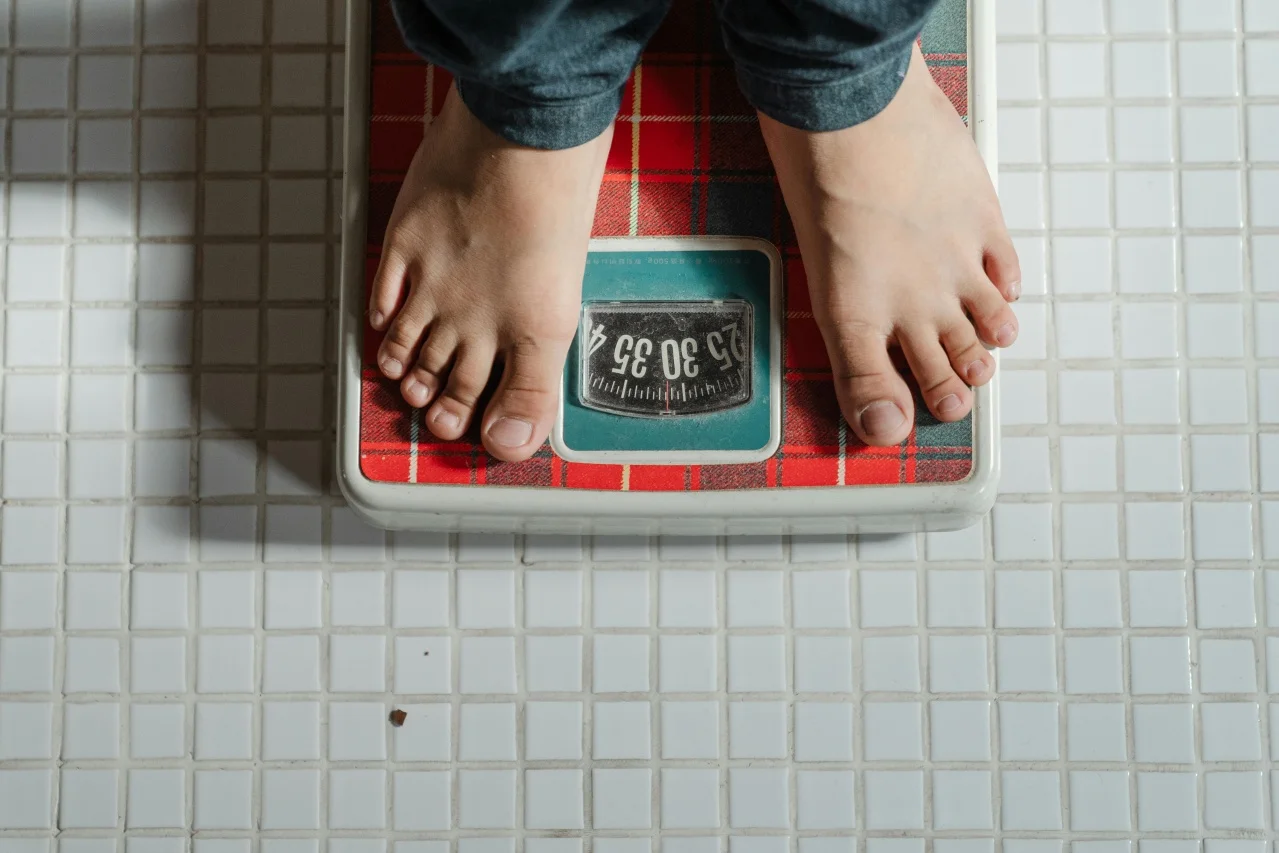
Your weight can swing 3–5 pounds overnight and tell you absolutely nothing useful. Here’s what to measure instead.
You woke up, stuck to your meal plan all week, trained four times, and slept eight hours—and the scale went up by two pounds. Sound familiar? Before you spiral, here’s the truth: that number almost certainly has nothing to do with your actual progress.
Water retention from a salty dinner, hormonal fluctuations mid-cycle, delayed-onset muscle soreness from a tough leg day, even a larger-than-usual glass of water before bed—all of these can artificially inflate your weight by multiple pounds within hours. The scale is measuring a snapshot of your body’s fluid dynamics, not your fat loss, fitness level, or health.
Yet millions of people step on a scale every single morning and let a three-digit number dictate their mood, their self-worth, and their motivation for the rest of the day. This article is your permission slip to stop doing that.
“The number on the scale is not a report card. It’s a weather forecast—noisy, temporary, and easily misread.”

The mindset trap: when the scale becomes a scoreboard
Here’s the problem with daily weighing: it turns your body into a performance metric. Every morning becomes a pass/fail test, and when you “fail”—even due to a Tuesday’s extra sodium intake—it can unravel days of solid, consistent effort.
Research consistently shows that people who weigh themselves daily are more prone to disordered eating patterns and negative body image. The psychological cost of that ritual can far outweigh any potential benefit. When your self-worth becomes tied to a number, you’ve handed your confidence over to a device that measures gravity, not your worth as a human being.
The fix isn’t to stop measuring altogether—tracking progress is genuinely useful for staying accountable and motivated. The fix is to measure things that actually reflect what’s changing in your body. Let’s get into the four better alternatives.
4 better ways to track your progress
1. Take body measurements weekly
A tape measure tells a story the scale can’t. As you build muscle and lose fat simultaneously—especially common in beginners and re-trainers—your weight may stay static or even rise while your waist shrinks, your arms grow defined, and your clothes fit completely differently.

Measure these key areas once a week, always at the same time of day (morning, before eating), and track the trend over 4–6 weeks rather than fixating on week-to-week changes:
Waist (at navel) | Hips (widest point) | Chest | Upper arms |
Thighs | Neck |
A good flexible body tape measure costs under $10 and gives you far more actionable data than a scale. For those who want more precision, smart scales that measure body fat percentage, muscle mass, and visceral fat—and sync to an app—offer a much fuller picture than a plain weight reading.
Recommended tools
A quality flexible body tape measure (with a lock mechanism for consistent tension) paired with a smart body composition scale that tracks fat %, muscle mass, and hydration via a connected app gives you measurable data worth actually acting on. Look for scales that sync to Apple Health or Google Fit for automatic logging.
2. Track your energy and mood daily
Fitness and fat loss are physiological processes powered by hormones, sleep, and nutrition. All three of those show up in how you feel long before they show up on a scale or even in measurements. If your energy is rising, your sleep quality is improving, and your mental clarity is sharper—your habits are working, even if the number hasn’t moved yet.
Keep a simple daily log (even a voice memo works) noting energy level out of 10, mood out of 10, sleep quality, and any cravings or hunger patterns. Over two to four weeks, you’ll start to see clear correlations between your behaviors and how you feel. That feedback loop is far more motivating — and more accurate — than a scale reading.
3. Track performance in your workouts
Can you run a kilometer faster than last month? Are you lifting heavier weights than six weeks ago? Did you complete a workout that would have destroyed you three months ago? These are concrete, objective, deeply meaningful measures of progress that have zero relationship to what you weigh.
Strength gains, endurance improvements, and movement quality are all signs that your body is adapting positively to your training. Log your workouts consistently and watch your performance metrics trend upward. That graph tells a success story no scale can replicate.
4. Notice and celebrate non-scale victories (NSVs)
NSVs are the wins that live outside the numbers entirely—and they’re often the most meaningful indicators of real lifestyle change. They’re easy to overlook if you’re scale-obsessed, but they’re worth paying serious attention to.
| Jeans fit differently | Sleeping more soundly | Climbing stairs easily | Fewer cravings |
| Clearer skin | Better posture | More confidence | Less Bloating |
These wins represent genuine, lasting change in how your body functions and how you move through the world. Start a running list of them in your phone’s notes app. When motivation dips, reading that list back is often more powerful than any number on a scale.
The do’s and don’ts of tracking your body
Do this
- Take body measurements once a week, same time and conditions
- Log energy, mood, and sleep quality daily in a simple note
- Track workout performance — reps, pace, weight lifted
- Celebrate every non-scale victory, no matter how small
- Look at 4–6 week trends, not daily fluctuations
- Use progress photos monthly (same lighting, same pose)
- Weigh yourself at most once a week if you must — same day, same time
Don’t do this
- Weigh yourself every day — daily variance is noise, not signal
- Step on the scale after salty meals or late nights
- Ignore non-scale victories because “the number didn’t move.”
- Let a single weigh-in justify abandoning your plan
- Compare your number to someone else’s — bodies are different
- Weigh yourself when you’re stressed, tired, or hormonal
- Make the scale the only measure of success or failure
Your weekly progress tracking sheet
The simplest tracking systems are the ones you actually use. Here’s a framework you can copy into a notebook, a notes app, or a spreadsheet—print it out and put it somewhere visible each week.


The fix isn’t to stop measuring altogether—tracking progress is genuinely useful for staying accountable and motivated. The fix is to measure things that actually reflect what’s changing in your body.
Weekly progress tracker
| 📏 Waist (cm/in) | ⚡ Avg energy /10 | 😴 Sleep quality /10 | 🏋️ Best lift this week |
| 🎉 1 NSV this week | 🧘 Overall mood /10 |
Fill this in every Sunday morning. Review trends monthly, not weekly.
Want a printable PDF version of this tracker? Save the framework above into a notes app or grab a free printable template from any fitness planner site—the key is committing to logging consistently for at least four weeks before drawing conclusions.
7-day challenge
Hide the scale for one week
Put it in a closet, under the bed, or give it to a neighbor. For seven days, use only your energy log, measurements, and workout tracker. At the end of the week, notice how your relationship with your body has shifted — and then decide whether the scale deserves a place back in your routine at all.
The bottom line
The scale isn’t evil — it’s just a very limited tool that’s been given far too much power over far too many people’s self-esteem. Weight is one data point among dozens, and it’s one of the most volatile and context-dependent ones at that.
Your body is doing remarkable things every single day: building muscle, repairing tissue, regulating hormones, improving cardiovascular efficiency. Almost none of that shows up as a predictable, linear decrease on a scale. But it does show up in how your clothes fit, how you feel climbing stairs, how your mood has stabilized, and how much further you ran this month compared to last.
Measure those things. Celebrate those things. And give yourself the grace to understand that genuine, sustainable body transformation is a long game — not a daily weigh-in.
FAQs
At most once a week, on the same day, at the same time of day — ideally first thing in the morning before eating or drinking. Weekly weigh-ins smooth out the daily noise caused by water retention, hormones, and digestion, giving you a far more accurate trend line over time.
Daily weight swings of 2–5 pounds are completely normal and have nothing to do with actual fat gain or loss. The main culprits are water retention from sodium-heavy meals, hormonal shifts across the menstrual cycle, glycogen storage from carbohydrate intake, bowel content, and even changes in hydration levels throughout the day.
Focus on waist circumference (at the navel), hips, chest, upper arms, and thighs. These areas reflect body composition changes — particularly fat loss and muscle gain — far more accurately than scale weight. Measure weekly under consistent conditions: same time of day, same level of hydration, same measuring tape tension.
Absolutely — and this is one of the most misunderstood aspects of body transformation. If you’re building muscle while losing fat (body recomposition), your weight can stay flat or even rise while your measurements shrink, your clothes fit better, your energy improves, and your fitness performance increases. The scale simply cannot capture this nuance.
Disclaimer: This article is for educational purposes only and does not constitute medical or nutritional advice. If you have concerns about your health or weight, please consult a qualified healthcare provider. Some links in this article may be affiliate links.


