
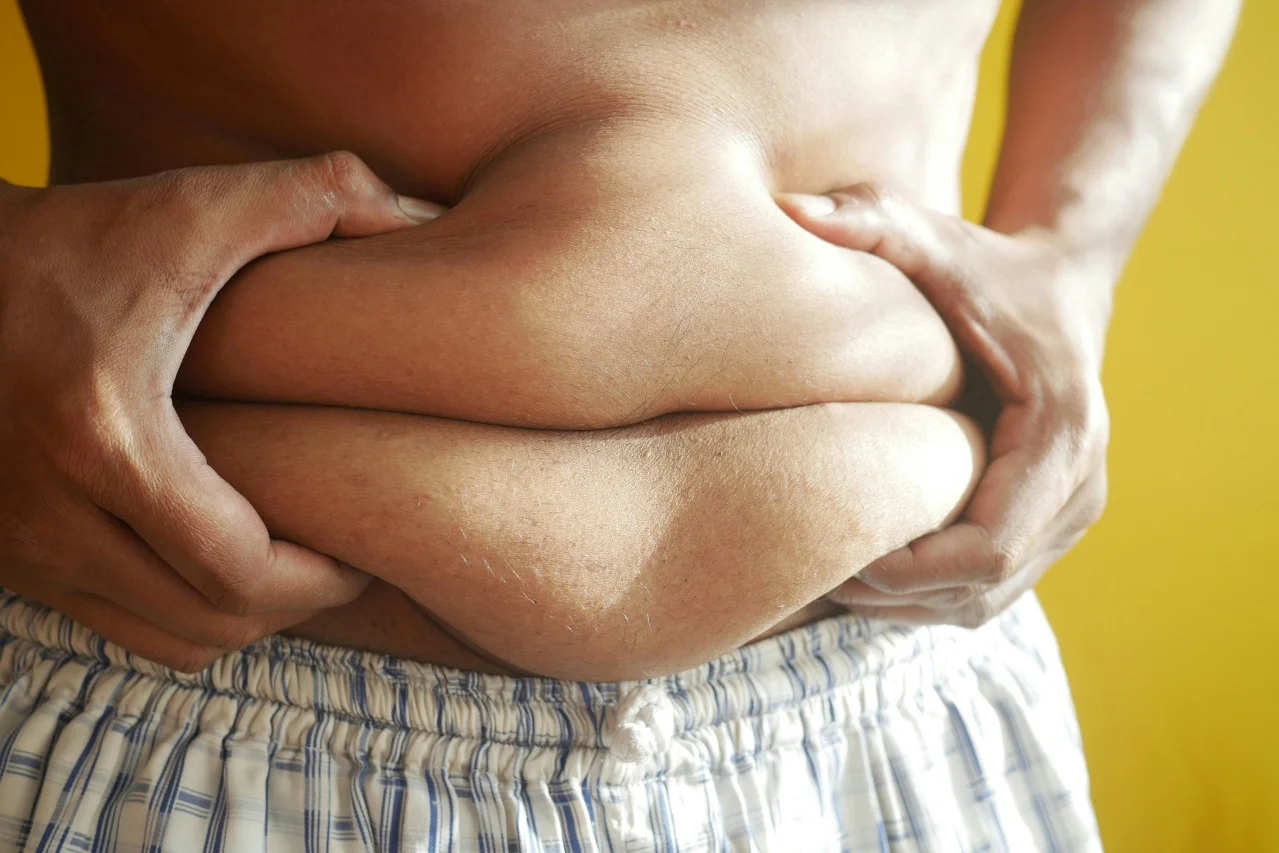
You’ve tried crunches, detox teas, and cutting carbs cold turkey. Yet that stubborn belly fat is still there. Here’s what the science actually says—and what to stop doing immediately.
Table of contents
- Why belly fat is different (and more dangerous)
- What actually works: the evidence-based strategies
- The complete waste of time to stop now
- A realistic weekly action plan
- Frequently asked questions
- Recommended products
1. Why belly fat is different (and more dangerous)
Not all fat is created equal. The fat sitting around your midsection — specifically visceral fat, which wraps around your internal organs — is metabolically active in ways that subcutaneous fat (the stuff just under your skin) is not. It secretes inflammatory compounds, disrupts insulin signaling, and raises your risk of type 2 diabetes, heart disease, and metabolic syndrome.
This is why losing belly fat isn’t purely aesthetic. It’s one of the most impactful things you can do for long-term health—and why understanding what actually moves the needle matters so much.
You cannot spot-reduce fat. No amount of crunches will selectively burn belly fat. Fat loss is systemic — your body determines where it comes off, not your workout choice.

2. What actually works: the evidence-based strategies
Consistent caloric deficit
There is no shortcut around energy balance. To lose fat — anywhere on your body — you need to consume fewer calories than you burn over time. A moderate deficit of 300–500 calories per day produces steady, sustainable fat loss without tanking your metabolism or triggering muscle loss.
Prioritize protein at every meal
Protein is the single most powerful dietary lever for fat loss. It keeps you fuller longer, preserves lean muscle mass during a deficit, and has a higher thermic effect than carbs or fat—meaning your body burns more calories simply digesting it. Aim for 1.6–2.2 g of protein per kilogram of bodyweight daily.
Strength training (yes, lifting weights)
Resistance training builds muscle, which raises your resting metabolic rate. More muscle means you burn more calories at rest — every single day. Two to four sessions per week of compound movements (squats, deadlifts, rows, presses) will do far more for your midsection than endless cardio.
Sleep 7–9 hours per night
Chronic sleep deprivation elevates cortisol (your primary stress hormone), which directly promotes visceral fat storage. Studies consistently show that people sleeping under 6 hours accumulate more belly fat over time. Sleep is not a luxury — it is a fat-loss tool.
Reduce ultra-processed foods and liquid calories
Sugary drinks, alcohol, and ultra-processed snacks spike insulin and provide calories with almost no satiety. Cutting these alone — without any other change — produces measurable belly fat reduction in most people within weeks.
Strategies backed by science
3. The complete waste of time to stop now
Ab exercises as fat burners
Sit-ups and crunches build the abdominal muscles underneath the fat — but they burn almost no calories and do nothing to remove the fat layer above them. Spot reduction has been tested repeatedly in controlled studies and does not work.
Detox teas, waist trainers, and fat-burning supplements
The global weight-loss supplement market is worth over $33 billion for one reason: they make compelling promises. The science tells a different story. Most “fat burner” supplements have no meaningful evidence behind them. Detox teas work as laxatives (causing water weight loss, not fat loss). Waist trainers compress; they don’t shrink.
Juice cleanses and extreme crash diets
Cutting calories to 800 or fewer per day triggers muscle breakdown and metabolic adaptation. You may lose weight quickly, but a large portion is muscle and water — and the metabolic slowdown that follows makes regaining fat even faster.
Excessive steady-state cardio without dietary changes
Running for an hour burns roughly 500–600 calories—less than many people assume and easily undone with one unthinking snack. Without addressing diet, cardio alone rarely produces meaningful fat loss and often increases hunger disproportionately.
Things that won’t move the needle

A realistic weekly action plan
You don’t need a perfect plan — you need a consistent one. Here’s a simple, sustainable framework to start this week:
Monday / Wednesday / Friday — 30–45 minutes of strength training focused on full-body compound movements. Add a 15-minute walk afterward.
Tuesday / Thursday — Active recovery: brisk walking, cycling, or light yoga. Keep steps above 8,000 per day.
Every day, track protein intake. Aim for at least 30g of protein at breakfast to control hunger for the rest of the day. Swap one sugary drink for water. Be in bed by 10:30 PM.
Weekend — Prepare meals for the week ahead. Planning removes the decision fatigue that leads to poor food choices.
Consistency over 8–12 weeks beats intensity for 2 weeks. Most people who successfully lose belly fat and keep it off make small, permanent habit changes — not dramatic temporary ones.
Frequently asked questions
With a consistent caloric deficit of 300–500 calories per day combined with regular strength training, most people see noticeable changes in waist circumference within 6–12 weeks. Visceral fat (the dangerous deep fat) responds faster to dietary changes than subcutaneous fat. However, the exact timeline varies based on starting point, genetics, sleep quality, and stress levels. Sustainable fat loss is typically 0.5–1% of body weight per week.
Visceral belly fat actually responds relatively well to lifestyle interventions — often faster than subcutaneous fat in other areas. The challenge is that the abdomen is frequently one of the last places people visually notice change, since fat is lost from the entire body simultaneously. The “stubborn” lower belly fat that remains last is subcutaneous, not visceral, and is influenced significantly by hormones, particularly cortisol and estrogen.
Intermittent fasting (IF) can be an effective strategy, but not because it “targets” belly fat specifically. It works primarily by making it easier for many people to maintain a caloric deficit—by reducing the window in which they eat. Studies comparing IF to standard caloric restriction with matched calorie intakes show similar fat loss outcomes. IF is a useful tool for some people; it is not a metabolic magic trick.
Yes — and this is an often-overlooked piece of the puzzle. Chronic stress elevates cortisol, which promotes fat storage specifically in the visceral (abdominal) region. High cortisol also increases cravings for calorie-dense foods and disrupts sleep, creating a compounding effect. Stress management practices—meditation, adequate sleep, reducing workload—are legitimate fat-loss interventions, not just wellness fluff.


