
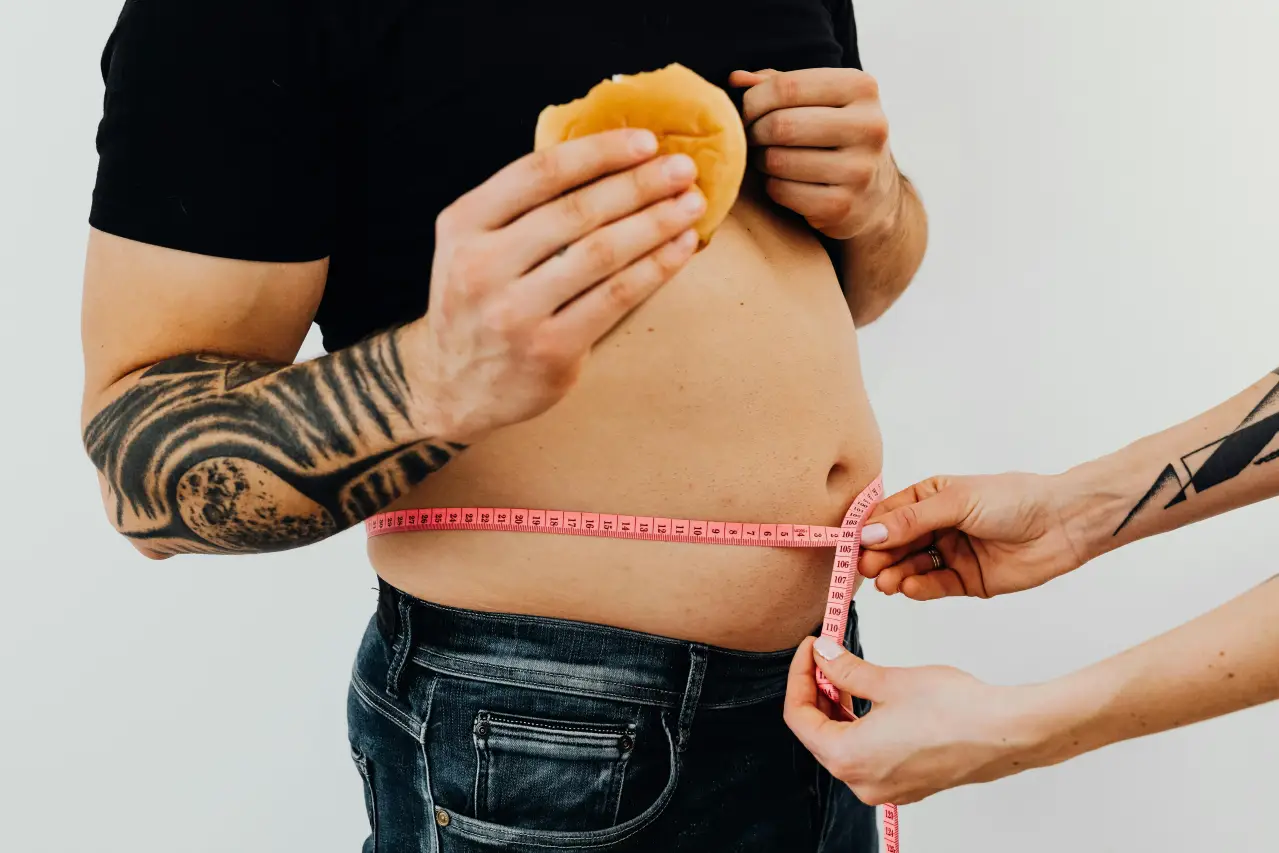
The problem isn’t effort. It might be that more effort is precisely what’s keeping you stuck — and here’s the science behind why.
You’re showing up. Three, four, maybe five days a week. You’ve cut back on takeaways. You track your meals. And yet — the scale barely moves. In fact, some weeks it goes in the wrong direction. You’re exhausted in a way that feels different from healthy tiredness. You’re sore more than you’re not. Something is off, and you can’t figure out what.
Here’s the uncomfortable truth: you might be working out too much, not too little. And the gap between how your body is performing and how you expect it to perform is almost certainly rooted in something the fitness industry rarely talks about — recovery.
The real problem
This isn’t about motivation. This isn’t about discipline. This is biology. And once you understand the biology, the solution becomes surprisingly clear — and surprisingly gentle.

The science: what’s actually happening inside your body
When you exercise intensely, you create micro-damage in your muscle fibers. That damage is the point — it triggers a repair response that makes you stronger over time. But that repair requires resources: quality sleep, adequate nutrition, hormonal balance, and above all, time. Deny your body those resources, and the whole system starts to break down.
Three physiological processes sit at the center of what most people experiencing a fitness plateau are dealing with.
Together, these three processes create a vicious cycle that looks and feels like a plateau, but is actually the body’s intelligent protective response. It’s not failing you — it’s trying to keep you alive under what it perceives as chronic threat. Your job is to signal that you’re safe, not under siege.
“Fitness isn’t built in the gym. It’s built in the hours you spend away from it.”
Overtraining: more common than you think
Overtraining syndrome (OTS) exists on a spectrum. Most people never reach clinical OTS — but a much larger proportion experience what researchers call “functional overreaching”: a state where training load consistently exceeds recovery capacity, leading to stalled performance, persistent fatigue, mood changes, and impaired fat metabolism.
The insidious thing about this state is that it feels like a reason to train harder. You’re not seeing results, so surely the answer is more sessions, more intensity, heavier weights. In reality, that response digs the hole deeper. The research is consistent: for people in a recovery deficit, adding training volume reliably makes outcomes worse, not better.
The symptoms to watch for: you feel tired before you start exercising, not just after. You’re sore in a dull, persistent way that doesn’t resolve within 48–72 hours. Your mood is lower than usual. You’re getting more minor illnesses. You used to enjoy training; now it feels like obligation. These aren’t signs of weakness. They’re signals — and they deserve to be listened to.
What to do (and what to stop doing)
Your recovery readiness checklist
Run through this checklist before each training session. If you check three or more items in the “warning” column, swap the session for active recovery instead — and feel no guilt about it.
Pre-session recovery check
Tools that make recovery easier
Foam roller
Self-myofascial release before bed accelerates muscle repair, reduces DOMS, and — when done slowly — actively activates the parasympathetic nervous system. 10 minutes changes the quality of your recovery.
Magnesium spray
Magnesium deficiency is extremely common in active people — and it directly impairs sleep quality and muscle recovery. A transdermal spray applied to legs and feet before bed is one of the most underrated recovery tools available.
Sleep mask
Light is the primary suppressor of melatonin production. A high-quality contoured sleep mask — one that doesn’t press on eyelids — can meaningfully increase melatonin, deepen sleep stages, and shorten the time to recovery.
Your one action this week
Replace one HIIT session with a 45-minute walk
The hardest shift in fitness
“What would change if you started treating rest as training?”
The athletes who plateau aren’t the ones who slack off. They’re the ones who’ve never been taught that rest is the work. Every elite program on the planet builds recovery in as a non-negotiable. It’s time to give yours the same respect.
FAQS
The clearest distinction is how your fatigue feels and when it arrives. Laziness is usually motivational — the body feels fine but the mind resists. Overtraining fatigue is physical and arrives before you even begin: heavy legs, persistent soreness that doesn’t resolve in 48–72 hours, elevated resting heart rate, disrupted sleep, and a mood that’s flatter than your baseline. Another reliable signal: you used to look forward to training and now dread it. That shift in emotional relationship with exercise — not a temporary off day — is a key marker of accumulated training stress.
Cortisol is a survival hormone — when chronically elevated, it signals to your body that resources are scarce and danger is present. The body responds by increasing fat storage (especially visceral/abdominal fat), breaking down muscle tissue for energy, and triggering cravings for high-calorie foods. Intense exercise is a legitimate stressor that spikes cortisol in the short term — which is fine and normal. The problem arises when you train too frequently without adequate recovery: cortisol never fully resets, stays elevated around the clock, and the fat-storage signal becomes constant.
In a head-to-head comparison for someone who is fully recovered, HIIT burns more calories in less time. But that comparison misses the point for someone in a recovery deficit. For that person, a 45-minute brisk walk actively aids fat loss by lowering cortisol, improving insulin sensitivity, and keeping the body in aerobic fat-burning zones — while another HIIT session compounds the stress load and hormonal imbalance. Walking also has near-zero recovery cost, meaning it doesn’t eat into your capacity to perform well in your next hard session. Context matters enormously here.
The research consistently points to 7–9 hours for most adults, with active individuals trending toward the upper end. Below 6 hours, the hormonal impact is significant: ghrelin (hunger) rises, leptin (satiety) falls, cortisol elevates, and growth hormone — which drives muscle repair and fat metabolism — is dramatically suppressed, as the majority of its daily release happens during deep slow-wave sleep. Even one week of sleeping 5–6 hours measurably impairs glucose metabolism and increases fat storage in clinical studies. Sleep is not passive recovery — it is the most anabolic window in your day.
Yes — meaningfully so. Complete rest is valuable, but active recovery has specific physiological advantages: low-intensity movement increases blood circulation to damaged muscle tissue, accelerating the delivery of repair nutrients and the removal of metabolic waste products like lactate. It also keeps the lymphatic system moving (which has no pump of its own), reduces stiffness, and maintains neuromuscular coordination. Good active recovery options include brisk walking, light cycling, swimming, yoga, or foam rolling. The intensity rule of thumb: you should be able to hold a full conversation throughout without effort.
Absolutely — and this is one of the most underappreciated factors in fitness plateaus. Your body does not separate “gym stress” from “life stress”. Both activate the same HPA (hypothalamic-pituitary-adrenal) axis and produce the same cortisol response. A week of intense work deadlines, relationship tension, or poor sleep from anxiety adds meaningfully to your total stress load — leaving less recovery capacity for the training stress you’re also applying. The solution isn’t to stop training; it’s to modulate training intensity during high-stress life periods and prioritize the recovery strategies (sleep, walking, magnesium) that help the nervous system reset.


